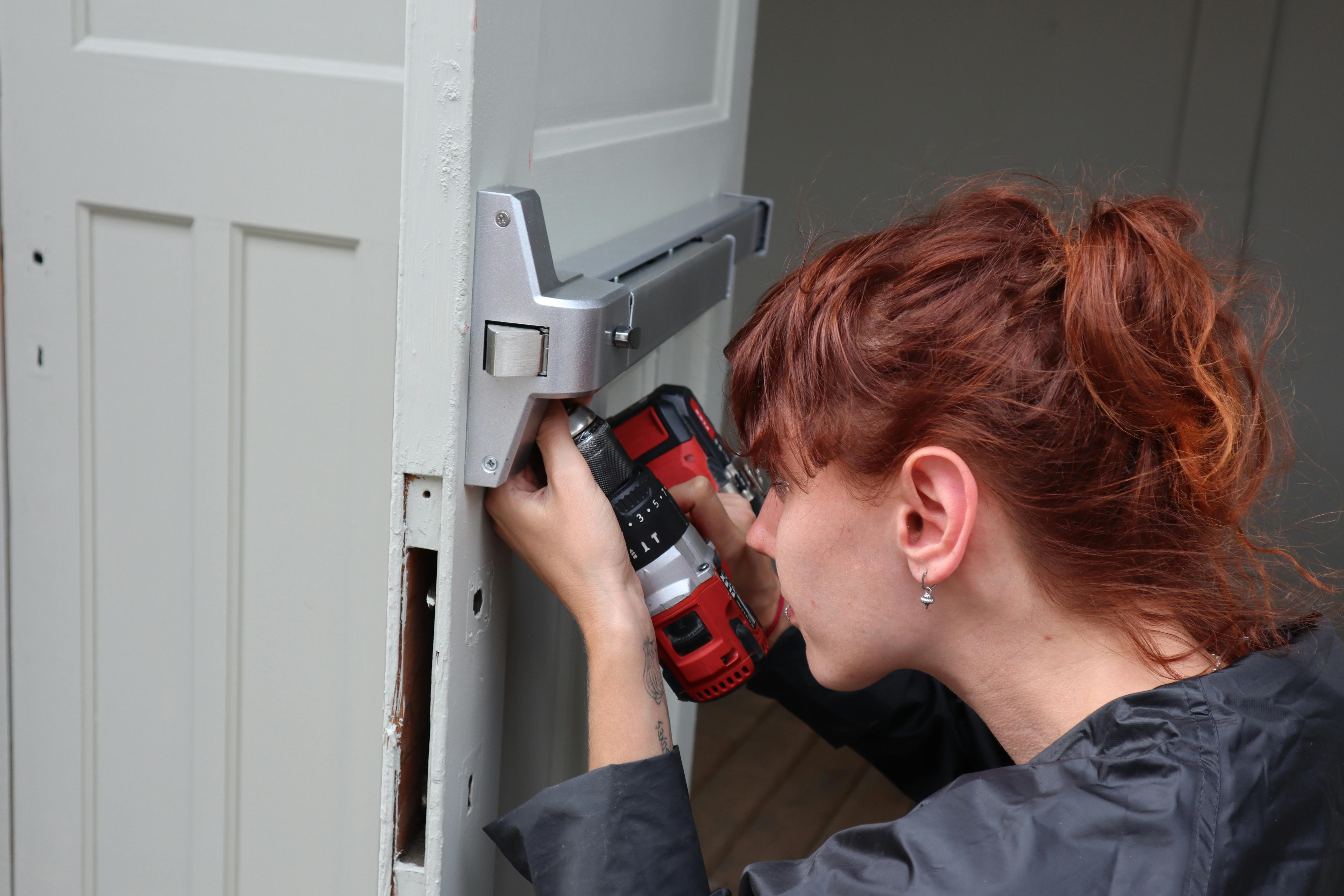
Most of us weren't taught how homes work.
We were taught that when something breaks, you panic, call someone, and hope the bill isn't terrifying.
But homeownership isn't about knowing everything. It's about knowing what's actually an emergency — and what's just unfamiliar.
Growing up, I watched my mom calmly fix things most people would've called a contractor for. Not because she was reckless, but because she understood one key thing:
Most home problems start small.
Here are a few common situations that feel like emergencies — but usually aren't.
🔌 1. A Room Loses Power
If a room suddenly goes dark, it's often just a tripped breaker.
What to try first:
- Find your electrical panel (usually basement, garage, or utility closet)
- Look for a breaker that's flipped to the middle position
- Turn it fully off, then flip it back on
- You smell burning
- You see sparks or scorch marks
- The breaker keeps tripping repeatedly
💡 2. A Light Goes Out
A dead bulb is not a crisis.
Try this first:
- Replace the bulb (yes, really — it's usually just the bulb)
- Test the lamp or fixture in another outlet
- Check if other lights on the same switch still work
Fun fact: Some hardware stores will replace specialty bulbs for free if you bring in the old one.
- Multiple fixtures go out at once
- There's flickering paired with burning smells
- The light fixture feels hot to the touch
🚿 3. A Clogged Drain
Slow drains usually mean buildup — not a broken pipe.
Try first:
- Pour baking soda down the drain, followed by vinegar
- Flush with hot water after 15 minutes
- Use a simple drain snake (under $10 at any hardware store)
Drano works, but it's harsh on your pipes and shouldn't be your first move.
- Water backs up into other fixtures (like the tub fills when you flush the toilet)
- You smell sewage
- The clog returns immediately after clearing
- Multiple drains are slow at once
🪣 4. Leaks (The Bucket Rule)
A leak doesn't automatically mean disaster.
First step:
- Catch the water (bucket, towel, whatever works)
- Identify where it's actually coming from
- Turn off the water supply if you can locate the valve
Stopping the damage comes before fixing the problem.
- You can't identify the source
- Water is spreading fast or coming through the ceiling
- It's near electrical wiring or outlets
- You see mold or water stains spreading
🚪 5. The Noises
Houses make noise. It's what they do.
Common examples that sound worse than they are:
- Smoke detector chirping → Replace the battery
- Squeaky doors → A little WD-40 or oil on the hinges
- Running toilet → Usually a $5 flapper valve you can replace yourself
- Clicking sounds when the heat turns on → Metal expanding and contracting
Noise is your home communicating with you, not panicking at you.
When You Should Call a Contractor
Let's be clear — contractors are essential. Some things aren't DIY, and that's okay.
Call immediately if:
- You smell gas
- There's exposed wiring or electrical burning
- Water is pouring uncontrollably
- Structural elements are cracked, sagging, or damaged
- You see sparks or smoke
- Something feels genuinely unsafe
Confidence is knowing when not to guess.
📥 Free Download: The Emergency Home Repair Decision Guide
Not sure if you need to call someone right now?
Download our The 5-Minute Safety Check: 3 Common Plumbing Issues — a printable, magnet-friendly checklist that lives on your fridge and tells you exactly what to do when something goes wrong.
- The 5-Minute Safety Check for any home issue
- Shut-off valve locations you need to know (and how to label them)
- When to DIY vs. When to Call decision flowcharts for the 10 most common home emergencies
- Emergency contact template so you're never scrambling for phone numbers
- Seasonal home maintenance checklist to catch problems before they start
The Bigger Idea
Our parents learned homes by surviving them. We're just trying to write it down.
Homes don't come with instruction manuals. But they probably should.
That's why FiXA exists — to help you understand what's happening in your home before it becomes expensive.
Because the most expensive repair is the one that could have been caught early.